
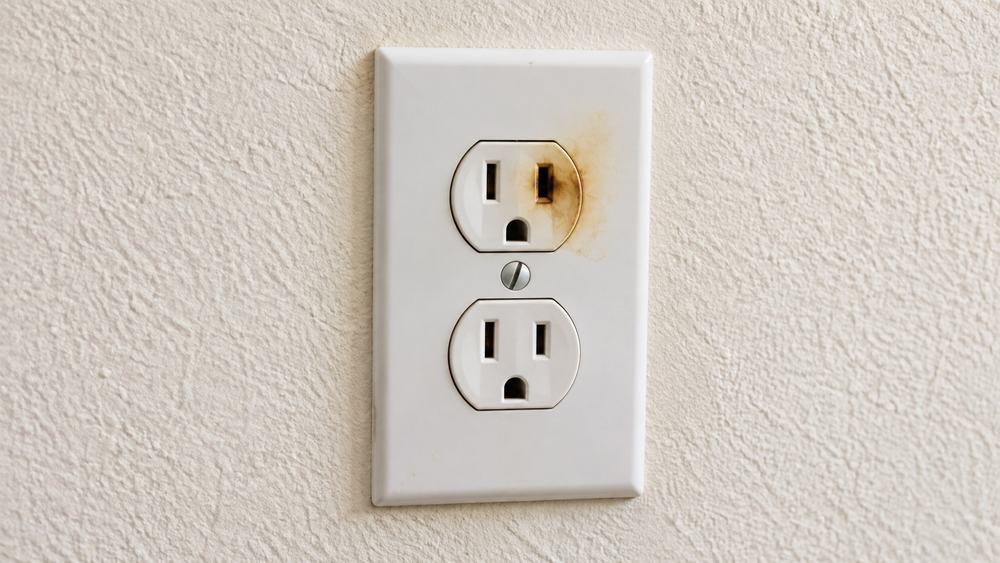
A breaker trips when you run two kitchen appliances at once. In another room, an outlet keeps working even though the plug fits loosely and the wall plate feels warm. Both deserve attention, but the second problem can develop without a breaker ever tripping.
At Statewide Electric & Environmental Solutions (SEES), we believe electrical safety starts with knowing what to look for. The National Fire Protection Association estimates that U.S. fire departments responded to about 46,650 home electrical structure fires per year from 2020 through 2024. Electrical distribution, lighting, or power transfer equipment was involved in starting 47% of those fires.
1. Loose or worn electrical connections
A loose wire at an outlet, switch, or breaker terminal can create resistance where two metal surfaces meet. The same thing can happen when a plug fits poorly in a worn outlet. As electricity flows through the poor connection, heat can build up in one small spot. The connection can also arc. Enough heat can damage insulation and ignite nearby materials. U.S. Consumer Product Safety Commission research
The breaker can stay on while the connection overheats. A standard breaker responds to excess current. A loose connection can generate dangerous heat while the circuit is still drawing a normal amount of current. The lights or appliance may keep working the whole time. That’s why a warm or discolored outlet, a plug that slips out easily, or a crackling sound deserves attention even if the breaker has never tripped. National Bureau of Standards study
2. Overloaded circuits and power strips
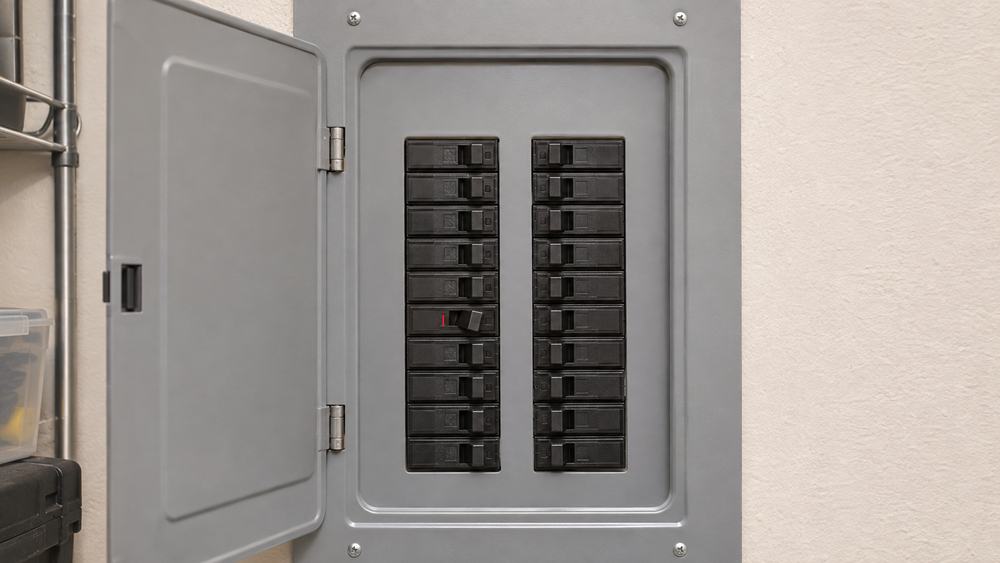
An overload happens when the devices on a circuit draw more current than the circuit is designed to carry. Think of a toaster oven and an electric kettle running at the same time on the same circuit. A properly functioning breaker is designed to trip when the overload is large enough or lasts long enough, cutting power to protect the wiring from overheating. Different outlets may share a circuit, and a power strip adds places to plug in without adding circuit capacity. If a breaker keeps tripping, have an electrician find out why. Electrical Safety Foundation International
3. Damaged wiring and cords
A cord pinched behind furniture, run under a rug, or worn where it meets the plug can suffer damage that’s easy to miss. When insulation breaks down, the wires can arc or short. Stop using cords with fraying, cracking, or visible damage. If you suspect a problem with wiring inside a wall, have a licensed electrician check it. U.S. Fire Administration
4. Faulty appliances and light fixtures
Sometimes the trouble starts inside the equipment. An appliance can develop an internal electrical fault, and a light fixture can overheat if the bulb exceeds its wattage rating. If an appliance repeatedly trips a breaker or gives off a burning odor, stop using it and have the problem checked. Follow the fixture’s bulb rating and plug major appliances directly into a wall outlet. Electrical Safety Foundation International checklist
When to call an electrician
Watch for recurring breaker trips, unexplained flickering lights, unusually warm or discolored outlets, buzzing or crackling, and burning odors near an outlet or switch. Stop using the affected outlet or equipment and arrange an electrical service visit. If you see smoke or flames, get everyone outside and call 911 from a safe location. Electrical warning signs · Home fire escape guidance
Need help finding the cause? SEES provides residential electrical service in Miami-Dade, Broward, and Palm Beach counties. Call 305-971-0883 to schedule a service visit.

Leave A Comment